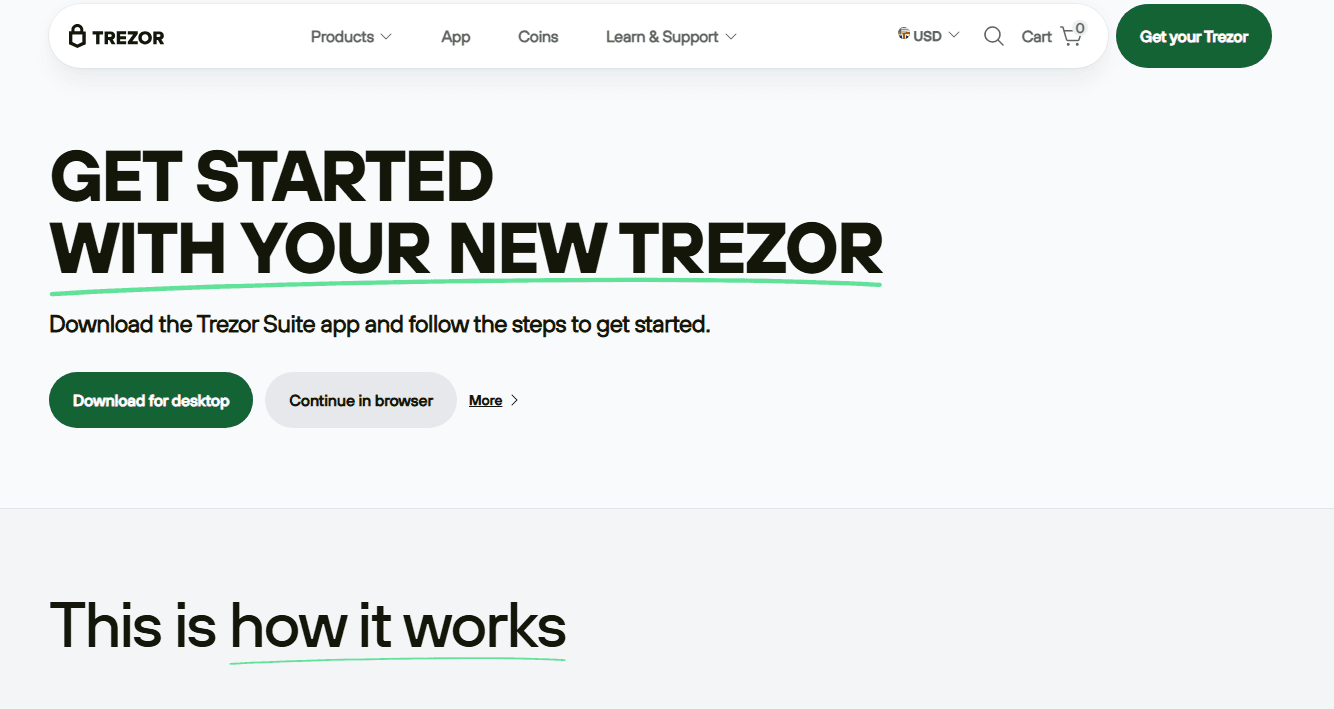
Trezor Login – A Safe Way to Access Your Digital Assets
Security is a top priority when managing cryptocurrency. Unlike traditional financial accounts, crypto wallets place full responsibility on the user. Trezor login offers a secure method to access your wallet by using a hardware device instead of passwords or online credentials.
This guide explains the concept of Trezor login, how it works, and how to use it safely.
What Does Trezor Login Mean?
Trezor login refers to the authentication process that allows users to access their cryptocurrency wallet through a Trezor hardware device. Instead of signing in with usernames and passwords, access is granted through physical confirmation on the device itself.
This system ensures that private keys remain offline and protected from internet-based threats such as hacking, phishing, and malware.
How You Access a Wallet Using Trezor
The login process with Trezor is straightforward but highly secure. It typically involves:
Connecting the Trezor hardware wallet to a trusted computer or mobile device
Launching the official wallet management software
Entering the PIN on the Trezor device
Confirming wallet access on the device screen
Since sensitive data is entered directly on the hardware wallet, it cannot be intercepted by malicious software.
Key Security Advantages of Trezor Login
Trezor login is designed to eliminate common security risks found in online wallets. Some major advantages include:
Private keys are stored offline
No keyboard-based password entry
Mandatory physical device access
Strong protection against phishing attacks
Even if a computer is infected with malware, attackers cannot gain access without the Trezor device.
Using Trezor Login for Daily Transactions
After successful login, users can manage their digital assets securely. Through the wallet interface, you can:
Check cryptocurrency balances
Review transaction history
Send and receive funds
Manage multiple wallet accounts
All transactions must be approved on the Trezor device, ensuring full user control.
The Role of the PIN in Login Security
The PIN adds an essential layer of protection to Trezor login. It prevents unauthorized access in case your device is lost or stolen.
Important PIN features include:
Randomized PIN entry layout
Increasing delays after incorrect attempts
Automatic device reset after multiple failures
Choosing a strong and unique PIN is critical to maintaining wallet security.
When Login Issues Occur
Occasionally, users may face difficulties during Trezor login. Common issues include:
Incorrect PIN entries
Device connection problems
Outdated firmware
Device reset after too many failed attempts
In most cases, access can be restored using the recovery phrase.
Recovery Phrase and Wallet Access
The recovery phrase is the most important backup for your Trezor wallet. It allows you to restore your wallet and regain access to your funds if the device is damaged, lost, or reset.
Key rules for recovery phrase safety:
Store it offline only
Never share it with anyone
Never enter it on unknown platforms
Proper storage ensures long-term access and protection.
Best Practices for Safe Trezor Login
To keep your wallet secure at all times, follow these recommendations:
Verify all actions on the device screen
Use trusted computers and networks
Keep firmware updated
Store your device securely
Protect your recovery phrase
Consistent security habits reduce the risk of theft or unauthorized access.
Common Errors to Avoid
Avoiding mistakes is just as important as following best practices. Common errors include:
Entering recovery phrases into unofficial software
Using simple PINs
Ignoring security updates
Leaving the device unattended
Being cautious helps maintain wallet security.
Why Trezor Login Is Trusted
Trezor login is trusted by crypto users worldwide because it prioritizes security, transparency, and user control. By removing password-based authentication and keeping private keys offline, Trezor provides a safer alternative to traditional wallet access methods.
Conclusion
Trezor login provides a secure and reliable way to access cryptocurrency wallets. With hardware-based authentication, PIN protection, and recovery phrase backups, users maintain full control over their assets.